Freelance digital marketing is one of the most realistic ways to build an independent career in India today. Almost every business needs help getting found and selling online, and many would rather hire a skilled freelancer than a full agency. This is the complete guide: why people go freelance, the skills you actually need, how to find clients and set your rates, the challenges to plan for, and the trends shaping the work. If you are just starting, or deciding whether freelancing is for you, this is the place to begin.
TL;DR
- Freelance digital marketing means offering services like SEO, ads, content and social media to multiple clients as an independent professional.
- You need core marketing skills plus business skills: finding clients, pricing, contracts and managing money.
- Find clients through platforms (Upwork, Fiverr), networking, direct outreach, referrals and a strong portfolio.
- Charge by the hour, per project, or on a monthly retainer, based on your experience and the value you deliver.
- Plan for inconsistent income, late payments and GST, and specialise in a niche to stand out.
Why go freelance in digital marketing?
Freelancing pulls people in for a few clear reasons, and it helps to be honest about both the upside and the trade-offs.
Flexibility and autonomy are the big pull: you set your schedule, choose where you work, and pick your projects. Diverse work keeps things interesting, exposing you to many clients and industries and constantly stretching your skills. The income potential can be higher than a salary as you gain experience, because you set rates based on your value, though it is less predictable. And freelancing lets you specialise and become the go-to expert in a niche like SEO, content or paid ads. Freelancing suits many kinds of people, including those balancing family; if that is you, see our guide to freelance digital marketing for women and mothers.
What skills do you need?
Thriving as a freelance digital marketer takes more than knowing marketing. You are running a business, so the skill set is broader than an employee's.
| Skill area | What it covers |
|---|---|
| Core marketing | SEO, content, social media, PPC, email, analytics, and a niche specialisation |
| Business | Client acquisition, sales and pitching, rate negotiation, project and time management, invoicing |
| Technical and tools | Analytics, ad platforms, email tools, a CMS, and basic tracking and reporting setups |
| Soft skills | Communication, networking, problem solving, self-discipline, client relationships |
| Growth mindset | Continuous learning, trend awareness (AI, privacy, vernacular), portfolio and personal branding |
The core marketing skills are the foundation, but the business skills are what actually keep you paid. Many people learn the marketing on the job and get caught out by the pricing, contracts and follow-ups; treat those as first-class skills too. Not sure where to begin? Our guide to what digital marketing is maps out the core areas you can specialise in.
How do you find freelance clients?
Finding your first few clients, then building a steady stream, is the hardest part of freelancing. You do not need all of these channels, but you should be active on two or three.
Freelance platforms like Upwork, Fiverr and Freelancer.com are a good starting point while you build a portfolio, though you will face fees and competition. Networking, in communities, events and online groups, brings leads and referrals. Direct outreach, spotting businesses that need your help and sending a personalised pitch, works well with research and persistence. Referrals from happy clients are your best long-term source, so deliver great work and stay in touch. And a strong portfolio and online presence, plus content that shows your expertise, quietly attracts clients who are already looking. If you are specifically after listed gigs and roles, see our guide to freelance digital marketing jobs in India.
When you do land a lead, winning the project comes down to a clear, personalised pitch: show you understand their problem, point to relevant work, and propose a specific next step rather than a generic price list. Confidence plus proof beats the lowest quote almost every time.
The chicken-and-egg problem for beginners is that clients want to see results, but you need clients to get results. The way out is to manufacture your own proof. Run a small campaign for a friend's business, grow a social account in your niche, optimise your own site and rank it, or volunteer for a local NGO. Any of these gives you a real case study to show, which is worth far more in a pitch than a certificate alone. Two or three solid examples are usually enough to start charging properly.
How much can you earn as a freelance digital marketer?
This is the question everyone asks, and the honest answer is that it varies a lot. Earnings depend on your experience, your niche, the kind of clients you work with, and how you price. A beginner picking up small gigs might earn a modest side income at first. As you specialise, build a portfolio, and move from one-off projects to monthly retainers, income becomes both higher and steadier. Experienced specialists with a strong reputation can out-earn many salaried roles, because they charge for outcomes rather than hours.
The practical takeaway is not a magic number, it is the shape of the curve: slow at the start, then compounding as referrals and retainers stack up. Focus early on getting a few happy clients and a repeatable way to find the next one, and the income follows.
How should you price your services?
Pricing is one of the hardest early decisions. Your rate depends on your experience, your niche, the project scope, the client's size and budget, and what other freelancers with your skills charge. Research the market first, then choose a model.
Hourly is simple and fair for open-ended work, but it caps your income at your time. A project-based fee rewards you for results and efficiency, which is often better once you know how long work takes. A monthly retainer is the freelancer's friend, because it gives predictable, recurring income for ongoing services. Whatever you choose, have a clear structure and be ready to explain the value behind your price rather than just the number.
One more thing beginners get wrong: they set a low rate to win work, then feel stuck there. It is normal, and smart, to raise your rates as you gain experience and results. Review your pricing every few months, quote new clients a little higher each time, and let your portfolio justify it. Charging too little attracts difficult, price-focused clients; a fair rate attracts clients who value the work.
Challenges to plan for
Freelancing is freedom, but it is not free of problems. Go in with eyes open.
| Challenge | How to handle it |
|---|---|
| Inconsistent income | Save a buffer, and aim for a few retainer clients for a steady base |
| Finding clients | Keep outreach going even when busy, so the pipeline never dries up |
| Late payments | Use clear contracts, advances and firm payment terms |
| Competition | Specialise in a niche and build a personal brand instead of cutting prices |
| Tax and admin | Track income, invoice properly, and register for GST once you cross the threshold |
On tax specifically, freelancers in India should understand their obligations, including GST once income crosses the registration limit. The official GST portal is the authoritative source, and a good accountant is worth the fee once you are earning steadily.
Trends shaping freelance digital marketing in India
The work keeps shifting, and staying current is part of the job. A few trends are worth building around:
- Specialisation. Clients increasingly want a proven expert in one area, not a generalist.
- AI skills. Freelancers who use AI tools for content, analysis and campaign work move faster and win more.
- Data privacy. As rules tighten, clients value freelancers who understand compliance.
- Vernacular content. Demand is rising for work in regional Indian languages, not just English.
- Short-form video and performance. Skills in Reels, Shorts and measurable, results-focused marketing are in high demand.
Your step-by-step path to start
If you are ready to begin, here is the order that works.
Define your niche, then build deep skills in it, ideally with structured training so you are not learning by trial and error. Gain practical experience through personal or small projects to build a portfolio, build your online presence with a simple site and a strong LinkedIn profile, and then find clients using the channels above. For a detailed first-steps walkthrough, read our companion guide on how to start freelance digital marketing in India.
Frequently Asked Questions
What is freelance digital marketing?
What skills do you need to be a freelance digital marketer in India?
How do freelance digital marketers find clients in India?
How much can a freelance digital marketer earn in India?
How should I price my freelance services?
Are there tax rules for freelancers in India?
In short
Freelance digital marketing in India rewards people who pair real marketing skill with the discipline of running a business. Pick a niche, build deep skills and a portfolio, find clients through a couple of channels, price by the value you deliver, and plan for the income swings and the tax side. Do that consistently and freelancing becomes a genuine, flexible career rather than a gamble.
More freelance guides to read next:
- How to start freelance digital marketing in India: the step-by-step beginner path.
- Freelance digital marketing jobs in India: where to find work and gigs.
- Freelance digital marketing for women and mothers: working flexibly from home.
Want a strong foundation before you go solo? Explore our classroom digital marketing course in Bangalore, see the full course syllabus, or call +91 99801 58632 to book a free demo class.

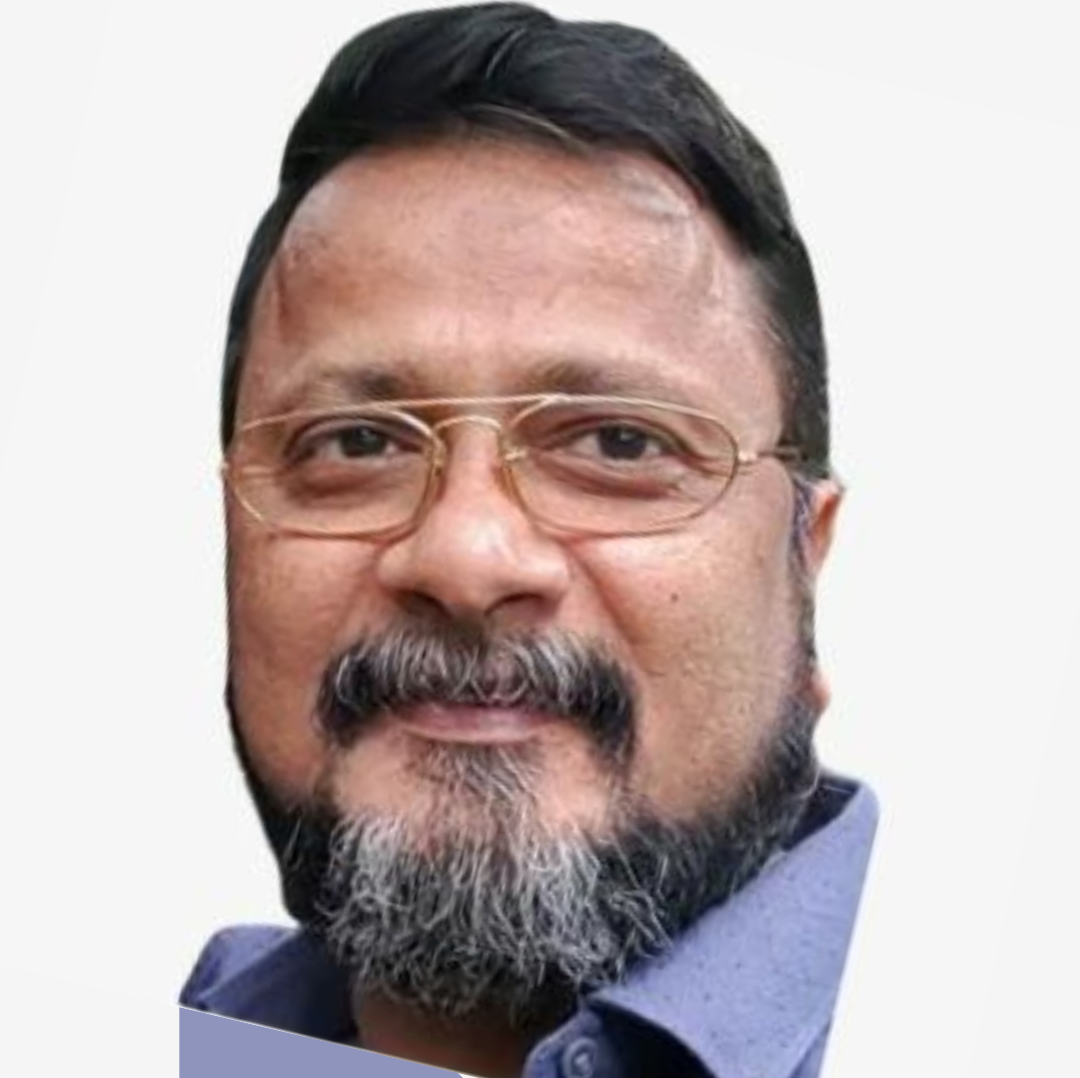
Rajesh Menon is a digital marketing trainer and strategist based in Bangalore, with over 15 years of experience in SEO, paid advertising, and digital growth planning. As the Founder and CEO of Digital Market Academy, he combines hands-on execution with long-term strategy, and is known for turning complex marketing ideas into skills his students can actually apply.
At the academy’s Kasturinagar centre, he leads classroom training programmes and digital marketing bootcamps, and mentors undergraduate and postgraduate students through on-campus sessions. He also delivers corporate and government digital marketing training, including digital skilling programmes for central government organisations such as India Post, along with digital enablement workshops for MSMEs and startups, a client list that continues to grow.
He writes regularly on the Digital Market Academy blog, breaking down real strategies, tools, and case studies for learners and business owners across India.