Updated August 2026.
A CRM, or customer relationship management system, is software that stores and organises your contacts, leads and customers in one place, along with what you know about them. For marketers, it is the foundation for sending the right message to the right person, because it turns a messy list of names into organised, usable data. Whether you are nurturing leads or running automation, a CRM is often what makes it work. This guide explains what a CRM is and how marketers use it.
It connects to our marketing automation guide and our email automation guide. CRM use is taught in our course syllabus.
TL;DR
- A CRM stores and organises your contacts, leads and customers in one place.
- It lets marketers segment, personalise and track relationships instead of guessing.
- It is the data foundation that powers good email and marketing automation.
- Start with clean, organised contact data and grow from there.
- Choose a CRM that fits your size and needs, not the most complex one.
What is a CRM?
A CRM, short for customer relationship management, is software that keeps all your contacts, leads and customers organised in one place, together with what you know about them: their details, interests, past purchases and your interactions. Instead of names scattered across spreadsheets, phone contacts and memory, everything lives in one organised system. For a marketer, that organisation is the whole point, because you cannot send relevant messages to people you cannot properly see or group.
Why do marketers need a CRM?
Marketers use a CRM to turn a messy list into usable data, so they can reach the right people with the right message. Without one, marketing to a growing list quickly becomes chaos: you forget who is a customer versus a lead, who is interested in what, and who you last spoke to. Divya, who runs a growing interior-design studio, tried to manage leads in a spreadsheet until it fell apart at a few hundred contacts. A simple CRM let her see each lead's stage and interests, and follow up at the right time, and her conversions improved just from being organised.
What a CRM lets you do
A CRM gives you a few core marketing abilities:
- Segment. Group contacts by shared traits, interest, location, funnel stage, so you can message each group relevantly.
- Personalise. Use stored details to tailor messages, so they feel relevant rather than generic.
- Track. See your history with each contact, so nothing is forgotten and follow-ups happen on time.
- Automate. Feed clean data into workflows so the right message goes out automatically.
These are the building blocks of good email and marketing automation, which is why a CRM is often the quiet engine behind them.
The CRM is your data foundation
The most important thing to understand is that a CRM is the foundation your other marketing sits on. Automation, personalisation and segmentation all depend on organised data, and that data lives in your CRM. Garbage in means garbage out: if your contact data is messy, your automated messages go to the wrong people with the wrong content. So the first job with any CRM is simply to get your contacts clean and organised. Everything clever you want to do later depends on that foundation being solid.
How to choose and start
You do not need the most powerful CRM; you need one that fits your size and that you will actually use. A small business is better served by a simple, affordable CRM than by an enterprise system it never fully adopts. When starting, do not try to do everything at once. Import your contacts, organise them into a few useful segments, and start using it for follow-ups and simple campaigns. Grow into the advanced features as your needs grow. Mohan, who runs a small agency, started by just tracking leads and their stage, and added automation only once the basics were a habit.
CRM, consent and privacy
Because a CRM holds personal data, using it responsibly matters, both ethically and for the rules. Only store what you genuinely need, keep it secure, and make sure the people in your CRM actually agreed to hear from you. In India, data protection expectations are rising, so consent and respectful use are not just good manners, they protect your business. This ties directly to building a genuine opt-in list, covered in our WhatsApp and email work.
The good news is that a well-run CRM makes responsible marketing easier, not harder. Because your data is organised, you can honour opt-outs cleanly, avoid messaging people who never agreed, and keep your communication relevant rather than intrusive. Deepa, who runs a boutique, found that once her contacts were properly organised, she naturally sent fewer, better-targeted messages, and her customers responded more warmly. Good data and good manners tend to go together, and a CRM supports both.
Learn CRM and automation hands-on
A CRM clicks when you organise real contacts and see how much easier relevant marketing becomes. At Digital Market Academy in Bangalore you learn CRM use and automation hands-on, in small batches with live projects and founder-led teaching by Rajesh Menon. See the course syllabus, our classroom courses, or the main training page. For more on CRM, the HubSpot resources library is a useful reference.
A CRM works best paired with lead scoring so your best leads rise to the top. See our guide to lead scoring and CRM.
A CRM is where B2B leads are qualified and nurtured. See how in our guide to B2B lead generation in India.
A1. A CRM, or customer relationship management system, is software that stores and organises your contacts, leads and customers in one place, along with their details, interests and your interactions with them.
A2. To turn a messy contact list into organised, usable data so they can send the right message to the right person. It powers segmentation, personalisation, tracking and automation.
A3. Grouping your contacts by shared traits, such as interest, location or funnel stage, so you can send each group relevant messages rather than one generic blast to everyone.
A4. A CRM is the data foundation that automation depends on. Clean, organised contact data means automated workflows send the right message to the right person at the right time.
A5. Choose one that fits your size and needs, not the most complex. A small business is better served by a simple, affordable CRM it actually uses than by an enterprise system it never fully adopts.
A6. As your contacts grow, remembering details or juggling spreadsheets breaks down. When that starts happening, a CRM keeps everything organised in one place so your marketing can scale without chaos.
In short
A CRM keeps your contacts, leads and customers organised in one place, which is the foundation for sending the right message to the right person. It lets you segment, personalise, track and automate, and it is the quiet engine behind good email and automation. Start with clean data, choose a CRM that fits your size, and grow into it. As your list and your marketing grow, that organised foundation is what lets you scale without losing the personal touch that made customers choose you in the first place. Want to learn CRM and automation hands-on? Start with the course syllabus at Digital Market Academy, Bangalore.
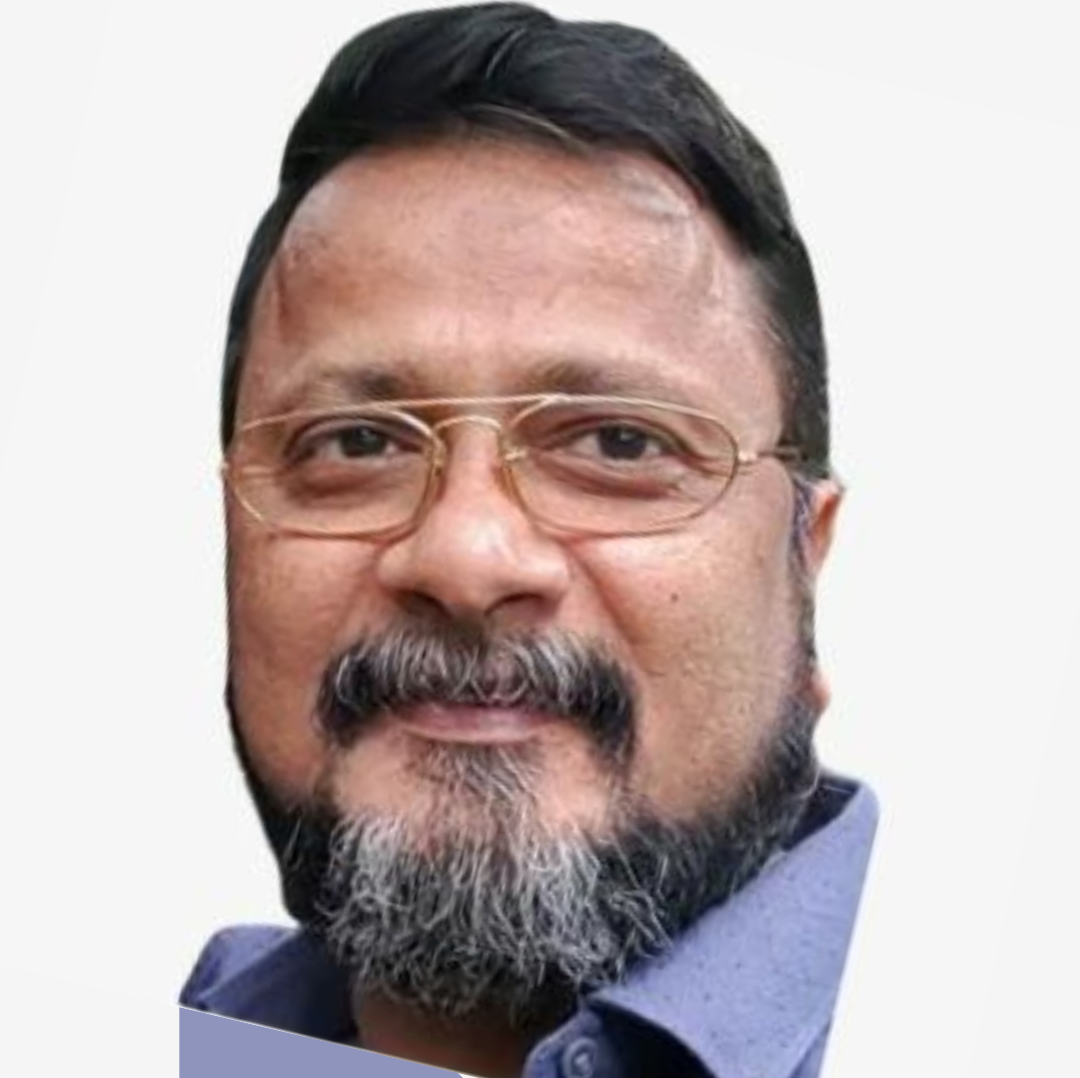
Rajesh Menon is a digital marketing trainer and strategist based in Bangalore, with over 15 years of experience in SEO, paid advertising, and digital growth planning. As the Founder and CEO of Digital Market Academy, he combines hands-on execution with long-term strategy, and is known for turning complex marketing ideas into skills his students can actually apply.
At the academy’s Kasturinagar centre, he leads classroom training programmes and digital marketing bootcamps, and mentors undergraduate and postgraduate students through on-campus sessions. He also delivers corporate and government digital marketing training, including digital skilling programmes for central government organisations such as India Post, along with digital enablement workshops for MSMEs and startups, a client list that continues to grow.
He writes regularly on the Digital Market Academy blog, breaking down real strategies, tools, and case studies for learners and business owners across India.