Updated August 2026.
Learning how to become a digital marketer in India is simpler than most people think, because the path is clear and the barriers are low. There is no required degree and no coding, just a set of practical skills you build step by step and prove with real work. Whether you are a student, a graduate, or switching careers, the same roadmap applies: learn the fundamentals, pick a specialisation, build a portfolio, and land a role. This guide lays out that roadmap in order.
It pairs with our posts on is digital marketing a good career and the ultimate digital marketing career guide. Follow the full path in our course syllabus.
TL;DR
- To become a digital marketer, learn the fundamentals, specialise, build a portfolio, then land a role.
- No degree or coding is required; practical skills and proof of work matter most.
- Start broad across SEO, ads, social, content and analytics, then go deep on one or two.
- Build a portfolio through real or sample projects; it beats certificates alone.
- You can head into a job, freelancing or your own business, and keep learning as tools change.
Is it hard to become a digital marketer?
No, and that is the honest answer. The field has low entry barriers: no required degree, no coding, and skills you can learn in months. What it does demand is genuine practice and a willingness to keep learning, because tools and platforms change. If you can be curious, creative and comfortable with data, you can become a digital marketer. Vinay, a commerce graduate with no marketing background, followed a clear roadmap and was working within months. The path below is that roadmap.
The roadmap, step by step
Follow these steps in order, and each one builds on the last:
Step 1: Learn the fundamentals
Start broad. Get a working understanding of the core areas: SEO, paid ads on Google and Meta, social media, content and copywriting, and analytics. You do not need to master all of them, but you need to know how they fit together, because real campaigns use several at once. This base also helps you choose a specialisation you actually enjoy. Our guides cover each area, from the Meta Ads guide to content strategy and analytics.
Step 2: Pick a specialisation
Once you know the field, go deep on one or two areas. Specialists earn more and are easier to hire, because they are the clear expert for a need. Choose based on what you enjoy and what pays well, which you can weigh up in highest-paying digital marketing skills. The main paths branch out from the same fundamentals:
Step 3: Build a portfolio
This is the step most beginners skip, and it is the one that gets you hired. A portfolio proves you can deliver, so build it with real or sample projects: run a small campaign, rank your own blog, audit a local business, improve a page's conversions. Show the outcome, not just the task. Rekha, who had no client names, built a portfolio around her own website and a friend's shop, and that proof landed her first paid role. Practise with our free tools like the keyword research tool and the SEO audit checker.
Step 4: Add certifications (optional)
Certifications can add credibility, especially when you are starting out, but they sit on top of skills, not in place of them. A certificate with no portfolio rarely convinces anyone; a portfolio with a relevant certificate is strong. Treat certifications as a useful bonus that signals you know a platform, while your real proof stays your body of work.
Step 5: Land a role, then keep learning
With skills and a portfolio, you are ready to land a role: a marketing job, freelance clients, or your own business. Bangalore has strong demand, covered in scope of digital marketing in India. The job does not end the learning, though. Tools, platforms and AI keep changing, so the best marketers keep their skills current throughout their careers. That habit is what separates a lasting career from a one-time qualification.
A common mistake to avoid
The most common mistake is collecting courses and certificates without ever building real work. Sangeetha spent months on tutorials but had nothing to show, and struggled to get interviews; the moment she built a small portfolio of real projects, doors opened. Learning is only half the roadmap. Applying it, on real or sample projects, is what turns knowledge into a career. Do the work, show the results, and the roadmap delivers.
Follow the roadmap hands-on in Bangalore
The fastest way through this roadmap is a structured, hands-on course that compresses it into months and gives you a portfolio. At Digital Market Academy in Bangalore you follow the whole path in a three-month classroom course, in small batches with live projects, founder-led teaching by Rajesh Menon, and placement support. See the course syllabus, our classroom courses, the main training page, or our placements. For free foundational courses, Grow with Google is a useful reference.
If you are a woman restarting your career, switching fields or planning to work from home, also read our guide to digital marketing for women in India.
A1. Learn the fundamentals across SEO, ads, social, content and analytics, pick a specialisation, build a portfolio with real or sample projects, add optional certifications, then land a job, freelance or your own business, and keep learning.
A2. No. There is no strict degree requirement and no coding needed. Practical skills and a portfolio that proves them matter far more than qualifications.
A3. With a structured, hands-on course, you can build job-ready skills in about three months. Learning independently takes longer, but the roadmap is the same.
A4. Choose based on what you enjoy and what pays well, such as SEO, paid media, social media, content or analytics. Going deep on one or two makes you the expert employers and clients seek.
A5. Certifications help and add credibility, but they are optional. A portfolio of real work matters more, because it proves you can deliver results, not just pass a test.
A6. Yes. Everyone starts with no experience. Build a portfolio through sample projects, your own site, or small real projects, and that proof helps you land your first role.
In short
Becoming a digital marketer in India follows a clear roadmap: learn the fundamentals, pick a specialisation, build a portfolio, add optional certifications, and land a role, then keep learning as the tools change. No degree or coding is needed; practice and proof of work are what matter. Want to follow the roadmap hands-on? Start with the course syllabus at Digital Market Academy, Bangalore.
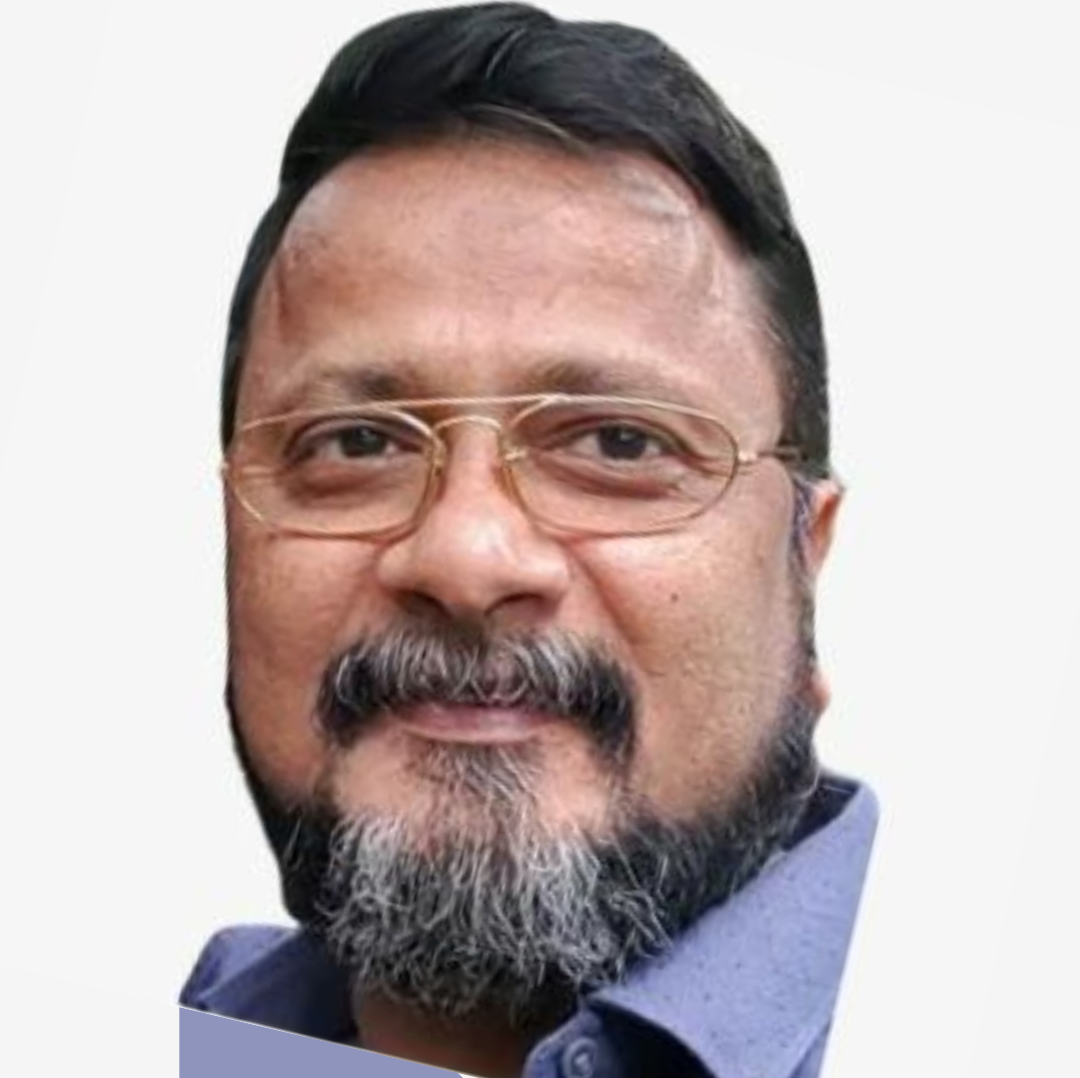
Rajesh Menon is a digital marketing trainer and strategist based in Bangalore, with over 15 years of experience in SEO, paid advertising, and digital growth planning. As the Founder and CEO of Digital Market Academy, he combines hands-on execution with long-term strategy, and is known for turning complex marketing ideas into skills his students can actually apply.
At the academy’s Kasturinagar centre, he leads classroom training programmes and digital marketing bootcamps, and mentors undergraduate and postgraduate students through on-campus sessions. He also delivers corporate and government digital marketing training, including digital skilling programmes for central government organisations such as India Post, along with digital enablement workshops for MSMEs and startups, a client list that continues to grow.
He writes regularly on the Digital Market Academy blog, breaking down real strategies, tools, and case studies for learners and business owners across India.