Updated September 2026.
If Zerodha grew by whispering, Dream11 grew by shouting, at exactly the right moment. During any big cricket match in India, its ads are impossible to miss, wrapped around every boundary and wicket. Dream11 turned the country's obsession with cricket into a marketing machine, becoming the biggest name in fantasy sports. It is the perfect opposite of a zero-ad brand: a masterclass in large-scale advertising, moment marketing and reaching every corner of a huge, multilingual country. This case study breaks the Dream11 marketing strategy down so you can see the method behind the noise.
TL;DR
- Dream11 is India's largest fantasy sports platform, founded in 2008 by Harsh Jain and Bhavit Sheth under Dream Sports.
- It grew on moment marketing, tying ads tightly to live cricket, especially the IPL.
- Celebrity endorsements and the aspirational "Dream Big" idea built mass trust and recall.
- Vernacular, regional marketing took the message deep into tier 2 and tier 3 India.
- Brand and performance advertising ran together: awareness at scale plus measurable app installs.
- A freemium model with referrals created network effects, because the game is more fun with friends.
Who is Dream11 and why study its marketing?
Dream11 is India's largest fantasy sports platform, founded in 2008 by Harsh Jain and Bhavit Sheth under the parent company Dream Sports. On it, users build virtual teams of real players and score points based on how those players actually perform in live matches, mostly cricket, but also football, kabaddi and more. Over the years it grew from a niche product into a household name, largely on the back of bold, high-visibility advertising tied to the sports Indians love most.
It earns a place in any marketing course because it shows the other end of the spectrum from a brand like Zerodha. This is growth through scale: big spend, big moments, big reach, executed with real discipline. Understanding both the quiet and the loud approaches makes you a far more versatile marketer.
What is Dream11's marketing strategy in one line?
Put the brand in front of the largest possible audience at the exact moment their attention peaks, cricket, then convert that attention into installs and habit through performance ads, vernacular reach, celebrities and a game that is more fun with friends. That is the Dream11 marketing strategy in a sentence. The sections below unpack each lever.
How does Dream11 use moment marketing around cricket?
Moment marketing means placing your message around live, high-attention events instead of spreading it thinly across the calendar. Dream11 built its brand around the biggest attention magnet in India: cricket, and especially the IPL. When millions of people are watching the same match at the same time, an ad lands with far more impact than the same ad shown on a quiet Tuesday. Concentrating spend on these peaks is how a challenger buys mass awareness fast.
You can apply this without a cricket-sized budget. Find the moments your own audience pays attention to, a festival, an industry event, a product launch, a trending topic, and concentrate your effort there instead of posting the same thing all year at low intensity.
Why celebrities and the "Dream Big" idea?
Dream11 leaned heavily on celebrity endorsements, especially cricket stars, wrapped in an aspirational "Dream Big" message. In a country where cricketers are idols, a familiar face gives a young brand instant trust and enormous recall. The aspirational hook, the idea that anyone can build their dream team and win, made the product feel exciting and within reach at the same time.
The lesson is not that you need a superstar. It is that borrowed trust works: a credible face your audience already respects, even a respected niche expert or micro-celebrity, transfers some of that trust to you. Pair it with one simple, aspirational idea people can repeat, and you have a message that travels.
How does vernacular and regional marketing widen reach?
India is not one market, it is dozens, each with its own language and culture. Dream11 understood that English-only advertising leaves most of the country untouched, so it ran campaigns in many Indian languages and tailored them regionally. Speaking to people in their own language is not just about translation; it signals respect and lands emotionally, which is exactly what unlocks the huge tier 2 and tier 3 audiences.
How do brand and performance advertising work together?
Dream11 did not choose between building a brand and driving installs; it did both, in sync. Brand advertising during matches created mass awareness and trust. Performance advertising then captured that warmed-up audience with measurable app-install campaigns on digital platforms, tracking cost per install and the value of each new player. One creates the demand, the other harvests it efficiently.
This is one of the most useful ideas in modern marketing. Brand-only spending is hard to measure; performance-only spending eventually hits a ceiling because it can only harvest existing demand. Running them together, awareness up top, conversion below, is how serious brands scale.
How do freemium and referrals create network effects?
Dream11 is free to join and play, which removes the biggest barrier to trying it. Once people are in and enjoying it, the product gets better the more friends play too, because competing with people you know is far more fun. That gives every user a natural reason to invite others, and each new player makes the platform more valuable for everyone. This is a network effect, and it turns satisfied users into a growth channel.
Even a small business can borrow the shape: lower the barrier to try (a free tier, a trial, a sample), then give people a reason and an easy way to bring others in. Growth that customers create themselves is the cheapest growth there is.
How does Dream11 advertise in a regulated category?
Fantasy sports and real-money gaming are sensitive, regulated categories, so responsible advertising is part of the job: age gating, clear disclaimers and responsible-play messaging. For a marketer, this is a reminder that compliance is not the enemy of creativity, it is a constraint you design within. Brands that respect the rules of their category build durable trust; those that cut corners invite trouble that no campaign can fix.
Whatever field you work in, know its advertising rules, finance, health, education, gaming, and treat them as guardrails. Creative that works within the rules protects the brand for the long run.
What can digital marketers learn from Dream11?
Here is the Dream11 approach translated into moves you can apply at any scale.
| Dream11 move | How you can apply it |
|---|---|
| Moment marketing | Concentrate spend on the moments your audience is most attentive |
| Borrowed trust | Use a credible face, even a niche expert, plus one simple aspirational idea |
| Vernacular reach | Speak to audiences in their own language, not just English |
| Brand plus performance | Build awareness and convert it with measurable campaigns together |
| Freemium and referrals | Lower the barrier to try, then make sharing easy and rewarding |
Running brand and performance campaigns, moment marketing and app-install ads are exactly the skills we teach with live budgets in our classroom digital marketing course in Bangalore. For a striking contrast, read how Zerodha grew with almost no ads, and how Swiggy uses moment marketing too.
Frequently Asked Questions
What is Dream11's marketing strategy in simple terms?
What is moment marketing and why does Dream11 rely on it?
Why does Dream11 advertise in many Indian languages?
How do brand and performance advertising work together?
What is a network effect in Dream11's case?
Where can I learn brand and performance marketing?
In short
Dream11 is the loud counterpart to the quiet brands: it won by putting its message where the whole country was already looking, cricket, then converting that attention with performance ads, celebrities, vernacular reach and a game that spreads through friends. The lessons, concentrate on peak moments, borrow trust, speak people's language, pair brand with performance, and build in referrals, scale down to any budget. If you want to run these campaigns yourself, join our classroom digital marketing training in Bangalore, or call +91 99801 58632 and attend a free demo class.

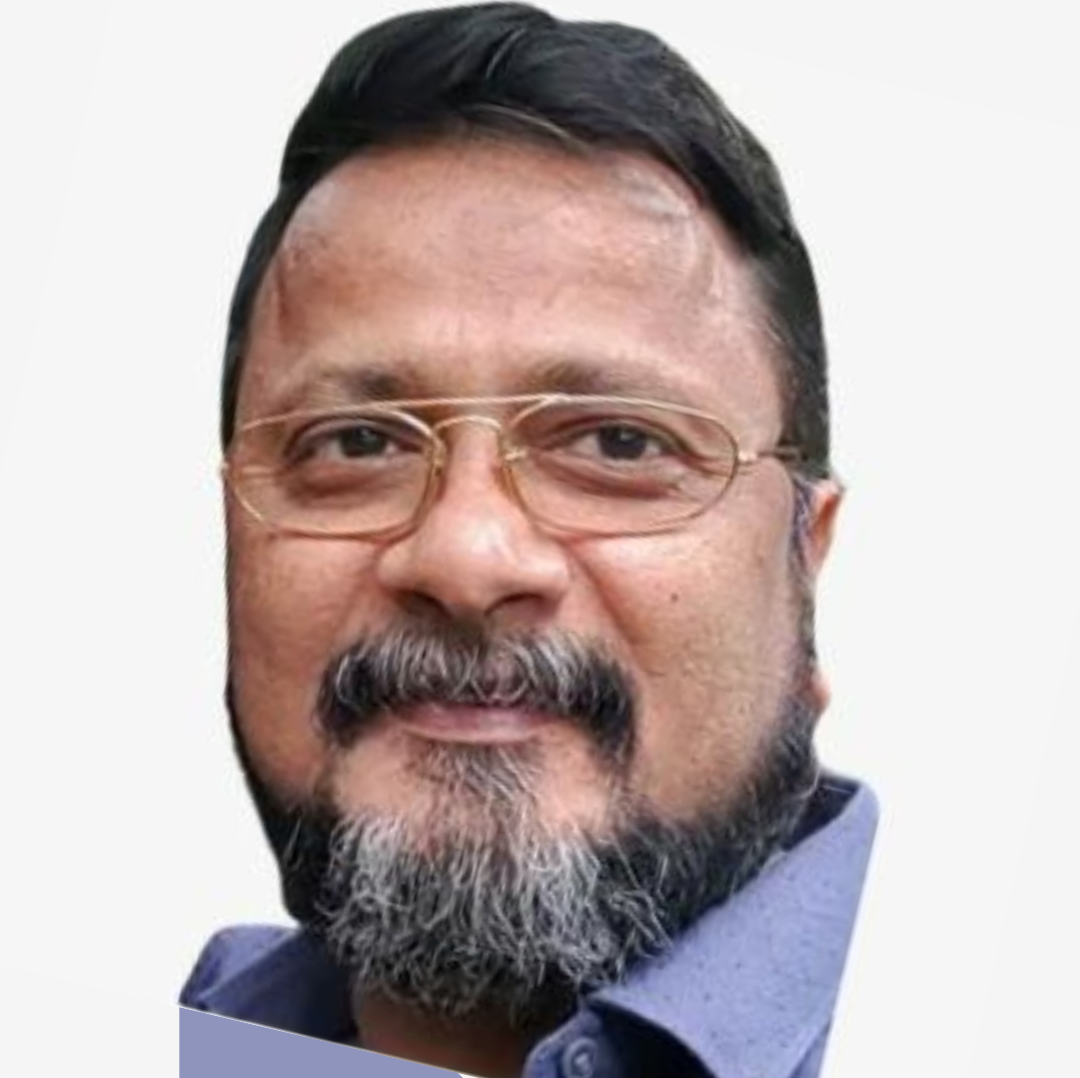
Rajesh Menon is a digital marketing trainer and strategist based in Bangalore, with over 15 years of experience in SEO, paid advertising, and digital growth planning. As the Founder and CEO of Digital Market Academy, he combines hands-on execution with long-term strategy, and is known for turning complex marketing ideas into skills his students can actually apply.
At the academy’s Kasturinagar centre, he leads classroom training programmes and digital marketing bootcamps, and mentors undergraduate and postgraduate students through on-campus sessions. He also delivers corporate and government digital marketing training, including digital skilling programmes for central government organisations such as India Post, along with digital enablement workshops for MSMEs and startups, a client list that continues to grow.
He writes regularly on the Digital Market Academy blog, breaking down real strategies, tools, and case studies for learners and business owners across India.