Plenty of people start a channel dreaming of YouTube money, then give up confused about when and how it actually pays. The rules are clearer than the rumours suggest. This guide explains, honestly, how YouTube monetization works in India: what you need to qualify, the different ways a channel earns, and what the money realistically looks like. It is written for creators and for business owners who want YouTube to pay, whether through ads or through customers.
Updated October 2026. Monetization thresholds change from time to time, so always confirm the latest on YouTube's own help pages.
TL;DR
- There are two tiers. An entry tier opens fan funding and Shopping earlier, and a full tier opens ad revenue.
- Ad revenue needs 1,000 subscribers plus 4,000 valid public watch hours in 12 months, or 10 million Shorts views in 90 days.
- The entry tier starts at 500 subscribers, 3 public uploads in 90 days, and 3,000 watch hours in a year or 3 million Shorts views in 90 days.
- In India you also link an AdSense account with your PAN and bank details to get paid.
- Earnings vary enormously by niche, season and audience, so treat any single per view figure with caution.
- For a business, the biggest money is often customers, not ad revenue. Learn the full system in our classroom digital marketing course in Bangalore.
How does YouTube monetization actually work?
Monetization runs through the YouTube Partner Program, and in 2026 it has two tiers. The entry tier lets you switch on fan funding features, like Super Thanks and channel memberships, plus Shopping, once you reach a smaller milestone. The full tier switches on ad revenue, the share you earn from ads shown on your videos. India is an eligible country for both, so a creator or business in Bangalore can earn the same way as one anywhere else, as long as you follow the rules.
What are the exact requirements?
Here are the thresholds as they stand. Always confirm the current numbers on YouTube's own help pages, since they are adjusted from time to time.
| Tier | What you need | What it opens |
|---|---|---|
| Entry tier | 500 subscribers, 3 public uploads in 90 days, and 3,000 watch hours in a year or 3 million Shorts views in 90 days | Fan funding, memberships, Shopping |
| Full tier | 1,000 subscribers, and 4,000 valid public watch hours in 12 months or 10 million Shorts views in 90 days | Ad revenue on your videos |
On top of the numbers, your channel needs two step verification switched on, no active Community Guidelines strikes, and content that follows the monetization policies. In India you link an AdSense account and add your PAN and bank details so you can be paid. After you apply, review is not instant and often takes around one to two months.
How much does YouTube really pay in India?
This is where honesty matters. Ad earnings are measured as RPM, the amount you earn per 1,000 monetised views, and it swings enormously. It depends on your niche, the season, and where your viewers are. Topics that advertisers compete for, like finance, business and education, usually earn higher rates than general entertainment. The same channel can earn very differently in a festive month versus a quiet one. Anyone promising a fixed rupees per view figure is guessing. Treat round number income claims with caution, and focus on growing watch time and a loyal audience first.
What are the other ways to earn, beyond ads?
Ad revenue is only one stream, and often not the biggest. Channels also earn through sponsorships and brand deals, channel memberships, Super Thanks and other fan funding, affiliate links, and selling their own product or service. For a business, that last one is the real prize. A home baker who posts recipe videos earns far more from cake orders than from ad revenue, and a fitness trainer earns more from new clients than from a few thousand views. Our guide on affiliate marketing on YouTube covers that stream in detail.
Where can you learn to grow and monetize a channel?
You can learn YouTube monetization by growing a real channel, studying how creators in your niche earn, and taking a course that teaches content, SEO, ads and analytics together. At Digital Market Academy in Bangalore, we teach YouTube and video marketing hands-on in our classroom digital marketing course, including how businesses turn views into customers, which matters more than ad revenue for most owners.
Frequently Asked Questions
How many subscribers do I need to earn money on YouTube in India?
How much does YouTube pay per 1,000 views in India?
Do I need a PAN card to monetize YouTube in India?
How long does YouTube monetization approval take?
Is ad revenue the best way for a business to earn on YouTube?
Where can I learn YouTube monetization in Bangalore?
In short
YouTube monetization in India works through a two tier Partner Program: an entry tier at 500 subscribers for fan funding and Shopping, and a full tier at 1,000 subscribers plus watch time for ad revenue. You link an AdSense account with your PAN and bank details to be paid, and approval often takes a month or two. Earnings vary too much for any fixed per view promise, so grow watch time and a loyal audience first, and remember that for a business the real money is customers. To learn how to build and monetize a channel, join our classroom digital marketing training in Bangalore, or call +91 99801 58632 for a free demo class.

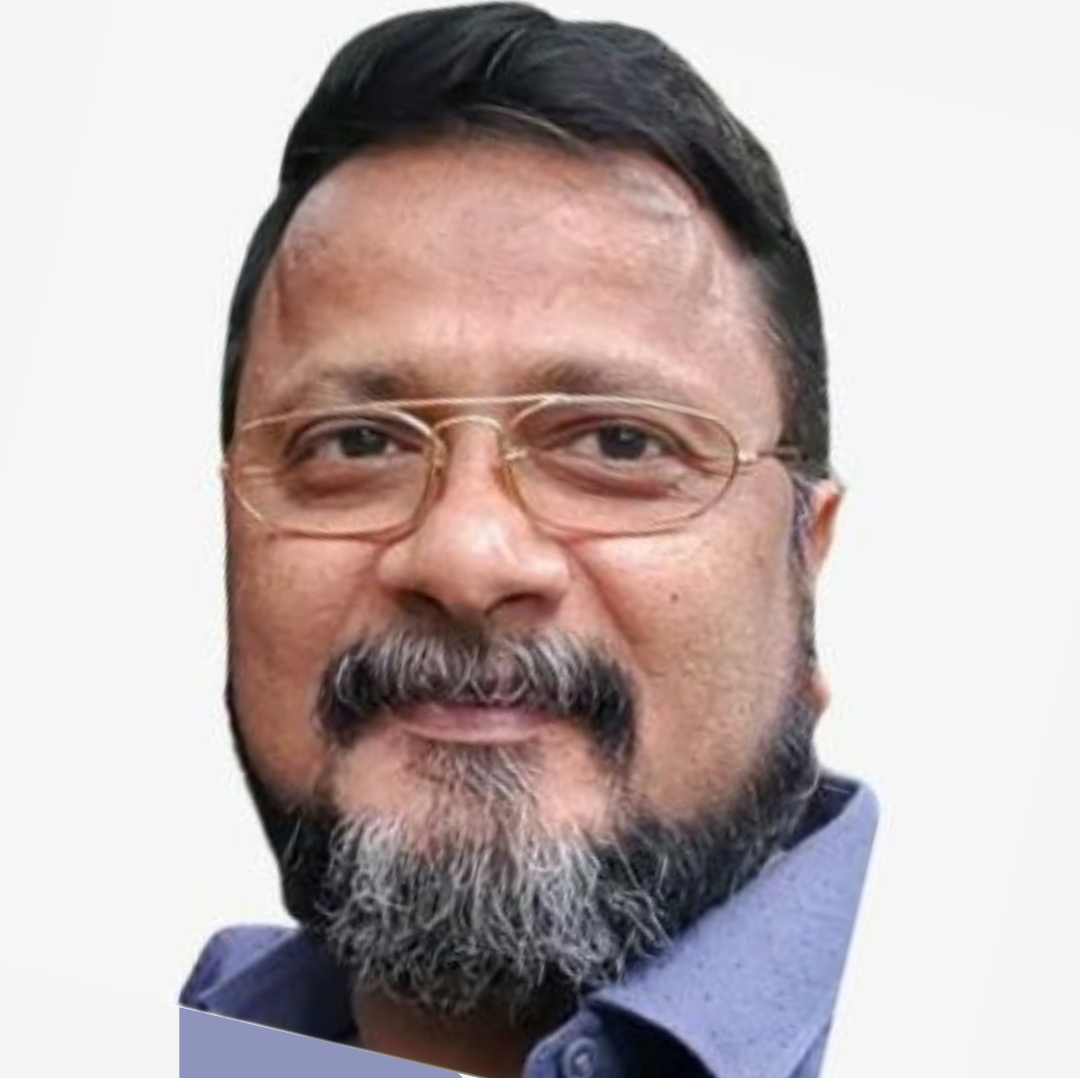
Rajesh Menon is a digital marketing trainer and strategist based in Bangalore, with over 15 years of experience in SEO, paid advertising, and digital growth planning. As the Founder and CEO of Digital Market Academy, he combines hands-on execution with long-term strategy, and is known for turning complex marketing ideas into skills his students can actually apply.
At the academy’s Kasturinagar centre, he leads classroom training programmes and digital marketing bootcamps, and mentors undergraduate and postgraduate students through on-campus sessions. He also delivers corporate and government digital marketing training, including digital skilling programmes for central government organisations such as India Post, along with digital enablement workshops for MSMEs and startups, a client list that continues to grow.
He writes regularly on the Digital Market Academy blog, breaking down real strategies, tools, and case studies for learners and business owners across India.