
Digital marketing is how brands reach people through online channels: search engines, social media, email, video and mobile apps. If you are new to it, this guide keeps things plain and covers the full picture. You will learn what digital marketing is, how it differs from traditional marketing, the 10 main types with real Indian examples, the tools and skills you need, and a simple, tested way to start. Read it once and you will not need to hunt through ten other articles.
TL;DR
- Digital marketing is promoting products and services through online channels like search, social media, email, video and mobile.
- Its main strength is that it is measurable, affordable and precisely targeted, so even a small business can compete.
- The 10 main types include SEO, content, social media, PPC, email, affiliate, influencer, mobile, video and display or digital PR.
- Real digital marketing examples in India range from Zomato and Flipkart to a local jewellery store using content and influencers.
- To start: pick your audience, choose one or two channels, set goals, use free tools, and learn by running small campaigns.
What is digital marketing?
Digital marketing is the use of online channels, like search engines, social media, email and mobile apps, to promote products and services. In plain words, it is marketing that happens on the internet and on phones. You will also hear it called online marketing, internet marketing or e-marketing, but the idea behind all these names is the same.
The big difference from older methods, like print or TV, is that digital marketing is measurable and interactive. You can see exactly how many people saw a post, clicked it and bought something, and you can change a campaign while it is still running. A shop owner no longer has to guess whether an advertisement worked. That feedback loop, where you act, measure and improve, is what makes digital marketing so useful for a business of any size, from a single person selling handmade goods to a national brand.
Digital marketing vs traditional marketing
Traditional marketing, such as newspapers, television, radio and hoardings, still has its place, especially for mass brand awareness. But digital marketing changes the economics in ways that matter for most businesses, and the contrast is easiest to see side by side.
The practical takeaway is not that traditional marketing is dead. It is that digital marketing lets you spend smaller amounts, see what works, and put more money behind the parts that pay off. For a business watching every rupee, that control is the real advantage.
Why does digital marketing matter?
Digital marketing matters because it delivers measurable results, costs less than most traditional advertising, and reaches the right people at the right time. A small business in Surat or Mumbai can target just its local audience, by area, age or interest, instead of paying for a full page newspaper advertisement that most readers ignore.
It is also flexible and honest about performance. Because you can see what is happening as it happens, you can adjust quickly, whether you are working on SEO, content or social media, and you can prove what worked rather than guess. That mix of low cost, precise targeting and clear measurement is why digital marketing has moved from a nice extra to a necessity, and why the demand for people who understand it keeps rising across India.
How does digital marketing work?
It helps to picture digital marketing as a path a customer takes, not a single advertisement. First you get noticed, then you earn interest, then you win the sale, and finally you keep the customer coming back. Different channels are stronger at different stages, and a good marketer lines them up so each one hands the customer to the next.
You do not need every channel from day one. A new business might start with SEO and social media to get noticed, add email to stay in touch, and bring in paid ads once it knows what converts. The skill is not doing everything, it is choosing the right few and connecting them.
The 10 types of digital marketing
Digital marketing is not one activity, it is a set of channels that work together. Here are the 10 main types, each with a real Indian example so the idea sticks.
- Search Engine Optimization (SEO). Optimizing a website so it ranks higher on Google search, using keywords, good meta tags and mobile friendly pages. A clothing store in Delhi uses SEO to reach the first page of results. It is ongoing work, because search results keep changing. To go deeper, start with our beginner's guide to SEO.
- Content marketing. Creating useful content, from blog posts to infographics, ebooks, podcasts and explainer videos. A tech blog in Hyderabad publishes gadget reviews and how-to guides that build trust over time.
- Social media marketing. Using Facebook, Instagram, X and LinkedIn to connect through posts, live video and stories. A Mumbai fashion brand uses Instagram for new collections and behind the scenes content, often with paid promotions and contests.
- Pay-per-click advertising (PPC). A paid model where you pay only when someone clicks your ad. A Bengaluru startup runs Google Ads for a new product and pays only for real clicks, with clear data to fine tune bids and keywords.
- Email marketing. Sending newsletters, offers and personalized updates to a subscriber list. Flipkart uses email to announce flash sales and new arrivals, which drives traffic and builds long term relationships. Our email marketing guide covers this in detail.
- Affiliate marketing. A performance model where people earn a commission for sales made through their referral link. Many Indian bloggers review products and link to sites like Amazon India, earning from genuine recommendations. See the full process in our affiliate marketing guide.
- Influencer marketing. Working with popular online creators to promote products. A Chennai beauty brand teams up with YouTube or Instagram creators for reviews and tutorials, reaching a wide but targeted audience.
- Mobile marketing. Reaching people on smartphones through SMS, app promotions and location targeting. A Kolkata restaurant sends offers over WhatsApp or SMS to nearby customers, which works well given India's high mobile usage.
- Video marketing. Using video to explain products, share testimonials and entertain. A Pune institute produces explainer videos about its courses and campus, shared across YouTube, Facebook and Instagram.
- Display advertising and digital PR. Banner ads, retargeting and online reputation work through digital press. An Ahmedabad electronics brand runs banner ads and digital PR around product launches.
| Type | What it does | Indian example |
|---|---|---|
| SEO | Ranks a site higher in search | Delhi clothing store on page one of Google |
| Content marketing | Educates and builds trust | Hyderabad tech blog with gadget reviews |
| Social media | Engages audiences on social platforms | Mumbai fashion brand on Instagram |
| PPC | Paid ads, pay per click | Bengaluru startup running Google Ads |
| Email marketing | Personalized offers to subscribers | Flipkart email flash sales |
| Affiliate | Commission for referred sales | Indian bloggers linking to Amazon India |
| Influencer | Creators promote products | Chennai beauty brand with YouTubers |
| Mobile | SMS, apps, location targeting | Kolkata restaurant WhatsApp offers |
| Video | Product demos and storytelling | Pune institute explainer videos |
| Display and digital PR | Banner ads and reputation | Ahmedabad electronics brand banner ads |
Digital marketing examples: real campaigns in India
The best way to understand the types is through real digital marketing examples you already know. Here are a few from India:
- Zomato uses witty social media marketing plus PPC to stay top of mind and pull in orders in cities like Mumbai and Delhi.
- Flipkart runs email marketing for flash sales and new arrivals, alongside heavy performance ads during big sale events.
- A jewellery store in Jaipur uses content marketing and influencer collaborations to show its designs and build local trust.
- A restaurant in Kolkata uses mobile marketing, sending WhatsApp and SMS offers to nearby customers.
- Indian bloggers use affiliate marketing, reviewing products and linking to Amazon India to earn a commission.
Notice the pattern: none of these rely on a single channel. They mix a few types, guided by who their customer is and where that customer spends time. That mix, chosen on purpose, is what a good digital marketing plan looks like in practice.
Digital marketing tools you should know
You do not need dozens of tools to start, just a few reliable ones that cover measurement, social media and email.
- Google Analytics tracks your website traffic, shows where visitors come from and what they do, and tells you which campaigns actually bring results.
- Hootsuite and similar tools let you schedule and manage social media posts across platforms from one place, so you are not logging in and out all day.
- Mailchimp and other email platforms let you send newsletters, segment your list and automate follow ups, so the right message reaches the right person at the right time.
Most of these have free plans that are enough to begin with. The reason tools matter is simple: they make your marketing both easier to run and easier to measure, and measurement is the whole point of going digital. As you grow you can add SEO tools, ad platforms and design tools, but these three are plenty to learn on.
How do you build a digital marketing plan?
Before running campaigns, it helps to write a simple plan, because a plan turns scattered activity into a strategy. A good plan answers a few questions in order: who is the audience, which channels reach them, what are the goals, and how will you measure success. A small business in Kolkata that wants to use social media, for example, starts by defining its target audience, setting clear campaign goals, and choosing the right platforms before spending a rupee.
Set measurable goals so each effort can be tracked, and line the plan up with your market. In India that means thinking about region, language and local behaviour, not just a single national message. Keeping the message consistent across every channel is part of the plan too, so a customer sees the same brand whether they meet you on Instagram, in an email or on your website.
The other half of the plan is monitoring. Analytics is what turns digital marketing from guesswork into a system. Tools like Google Analytics let you track website traffic, bounce rates and conversions in real time, so an online store in Delhi can spot a weak PPC campaign and fix it within days instead of months. Continuous testing and small adjustments are what keep results strong over time.
How do you start digital marketing?
You do not need a big budget to begin, you need a clear order of steps. Start by understanding your audience, pick a couple of channels that suit them, set goals, get the basic tools, and learn by running small test campaigns. A boutique in Jaipur, for example, might start with just Instagram to reach young fashion buyers, then expand once it sees what works.
| Step | Action | Outcome |
|---|---|---|
| 1. Define your audience | Research demographics and behaviour | A clear target market |
| 2. Choose channels | Pick social, SEO or content to start | Focused effort, not scattered |
| 3. Set measurable goals | Decide KPIs like traffic and conversions | Clear success measures |
| 4. Get the tools | Use Google Analytics, Hootsuite, Mailchimp | Ability to track and improve |
| 5. Launch test campaigns | Run small budgets and read the results | Insights to scale what works |
What skills does a digital marketer need?
Digital marketing rewards a mix of creative and analytical skills, which is part of why it suits so many kinds of people. You do not need all of these on day one, but this is the toolkit you build over time.
The good news is that none of this requires a technical degree. Clear writing, curiosity about numbers, and a willingness to test and learn will take you a long way. The technical parts, like reading analytics or setting up an ad campaign, are learnable in weeks with practice on real projects.
Is digital marketing a good career in India?
Yes, and it is one of the more accessible careers in tech right now. Almost every business, from a local shop to a large brand, needs someone who can bring in customers online, so demand runs across industries and cities. Common roles include SEO executive, performance marketer, social media manager, content writer and email marketer, and many people later move into strategy or start their own agency or freelance practice.
Pay grows with skill and proof of results rather than just years on paper. A beginner with a solid portfolio can start in a junior role and move up quickly once they can show real campaign outcomes. That is why a hands-on approach, where you learn by running actual campaigns, tends to beat theory alone. It is also a field that welcomes career changers, homemakers returning to work and students, because you can build a portfolio from real projects rather than waiting for permission.
Best practices and common mistakes
A few habits separate campaigns that work from ones that waste money. Start with your website, because it is where most campaigns send people. Keep it fast, mobile friendly and easy to move around, with clear calls to action, and put your keywords naturally in titles and meta descriptions. A Goa travel agency can lift bookings just by simplifying its online booking flow, and a Delhi store can do the same by improving page load times.
Next, be consistent. Brands that update their blog, social media and newsletters on a regular schedule build stronger connections than brands that post in bursts and then go quiet. A regional news portal in Kolkata that publishes daily keeps its audience engaged simply by showing up. And keep testing: comparing two versions of an advertisement, subject line or landing page tells you what actually works instead of what you assume works.
The common mistakes are just as clear. Relying on a single channel is the biggest one, because if you only do social media and ignore SEO, you miss a large audience that is searching for you. Ignoring mobile users hurts badly in India, where most people browse and buy on phones. And skipping analytics means you keep spending on things that are quietly failing. A Bengaluru startup can burn through its ad budget until one honest look at the data shows what to change. Spread across a few channels, watch the numbers, and adjust.
Advanced strategies and trends
Once the basics are in place, a few advanced tactics push results further, and they are worth knowing even as a beginner so you can see where the field is going.
| Strategy | What it does | Indian example |
|---|---|---|
| Retargeting | Shows ads to past visitors | Online stores re-engaging buyers |
| Local SEO | Ranks for local searches | Local eateries targeting nearby customers |
| Voice search | Optimizing for voice assistants | Brands optimizing for Google Assistant |
| Programmatic ads | Automated ad buying with data | Agencies automating ad placements |
| AI personalization | Tailored experiences by behaviour | Ed-tech platforms recommending courses |
Voice search and AI are the two biggest shifts to watch. More Indians search by voice through assistants like Google Assistant, often in a natural, question style, so regional retailers in cities like Mumbai are starting to optimize their content for those spoken queries. AI, meanwhile, is now used for personalization, chatbots and smarter ad targeting, and it is showing up in everyday tools rather than only in big company labs. Local SEO is the other fast growing area in India, where businesses tune their content for neighbourhood and city level searches. You do not have to master these on day one, but keep them on your radar, because they are quickly becoming normal rather than advanced. A good habit is to follow trusted industry data, for example Think with Google, so your decisions stay grounded in real behaviour rather than guesswork.
Where can you learn digital marketing?
Reading a guide like this gives you the map. To build the skills, you need to practise on real campaigns with guidance. At Digital Market Academy in Bangalore, we teach all of these types hands on, from SEO and Google Ads to social media, content, email and analytics, with real projects and small batches.
The classroom courses are built for working professionals and career starters, with interactive sessions led by trainers who run campaigns themselves, so you learn by doing rather than just watching slides. The on-campus training programmes bring the same practical training to college students, combining theory with live projects so students finish with real experience they can put on a resume. Beyond the course, the blog and free tools keep you learning, because digital marketing keeps changing and the best marketers never really stop. The goal is simple: you leave able to run campaigns, not just define them.
Frequently Asked Questions
What is digital marketing in simple words?
What are the main types of digital marketing?
Can you give some digital marketing examples?
How is digital marketing different from traditional marketing?
What skills do I need to become a digital marketer?
Is digital marketing a good career in India?
How can I learn digital marketing?
What tools do beginners need for digital marketing?
What is a common digital marketing mistake to avoid?
In short
Digital marketing is how businesses reach people online, through search, social media, email, video and mobile. It covers 10 main types, it is measurable and affordable, and the real skill is combining a few channels around a clear audience. Start small, use the tools, read the data, and improve. That simple loop is what separates marketers who guess from marketers who grow.
Ready to learn it hands on, with real campaigns and placement support? Explore our classroom digital marketing course in Bangalore, see the full course syllabus, or call +91 99801 58632 to book a free demo class.

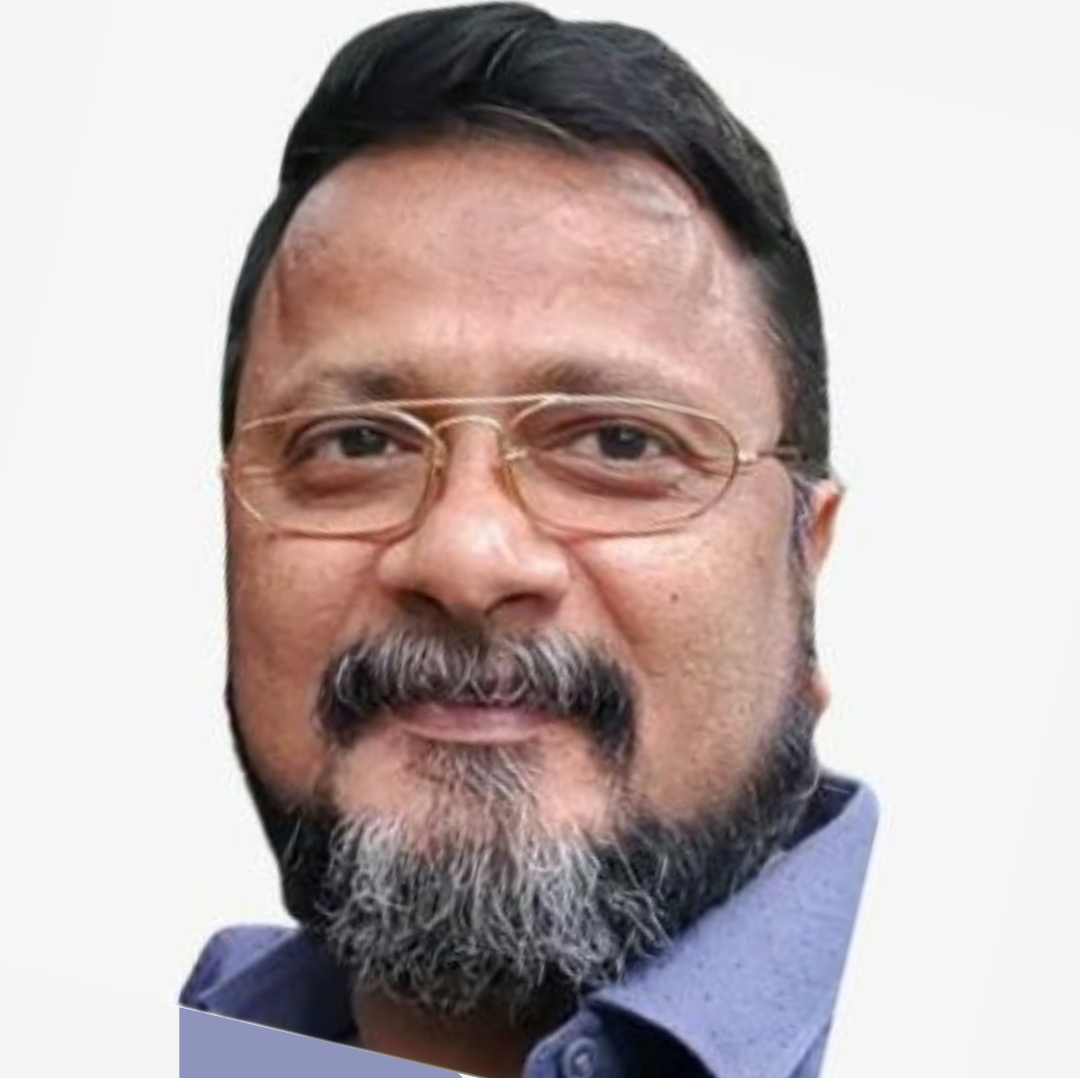
Rajesh Menon is a digital marketing trainer and strategist based in Bangalore, with over 15 years of experience in SEO, paid advertising, and digital growth planning. As the Founder and CEO of Digital Market Academy, he combines hands-on execution with long-term strategy, and is known for turning complex marketing ideas into skills his students can actually apply.
At the academy’s Kasturinagar centre, he leads classroom training programmes and digital marketing bootcamps, and mentors undergraduate and postgraduate students through on-campus sessions. He also delivers corporate and government digital marketing training, including digital skilling programmes for central government organisations such as India Post, along with digital enablement workshops for MSMEs and startups, a client list that continues to grow.
He writes regularly on the Digital Market Academy blog, breaking down real strategies, tools, and case studies for learners and business owners across India.

