
Updated September 2026.
Freelance digital marketing in India lets you earn on your own terms, choosing your clients, hours and rates, using skills you can learn in months. Demand is strong: small businesses, startups and even large brands hire freelancers for SEO, ads, social media and content. The catch is that freelancing is a business, not just a skill, so you need to find clients, price your work, and deliver results. This guide walks through how to start and build a steady freelance income.
It pairs with our posts on freelance digital marketing jobs in India and the freelancers guide to digital marketing. Build the skills in our course syllabus.
TL;DR
- Freelance digital marketing in India is in strong demand and open to anyone with real skills.
- Start by building skills and a portfolio, even with sample or small projects.
- Find clients through your network, referrals, freelance platforms and local businesses.
- Price by project or retainer once you know your value; retainers give steadier income.
- Deliver results and ask for referrals; happy clients are your best source of new work.
Why freelance digital marketing in India?
Freelancing gives you freedom and strong earning potential, and the demand is real. Every small business, startup and local shop needs marketing, and many prefer a skilled freelancer to a full agency. You choose your clients, set your hours, and grow your income as your skills and reputation grow. Preethi, who started freelancing part-time for local Bangalore shops, built it into a full-time income within a year. The key is treating it as a business, not just doing the task well.
What skills do you need first?
You need at least one marketing skill you can deliver reliably: SEO, paid ads, social media, or content. Depth matters more than dabbling, so it helps to be genuinely good at one thing before adding more. You also need to know how to show results, since that is what clients pay for. Build these in our guides, from the Meta Ads guide to content strategy, and see which skills pay best in highest-paying digital marketing skills.
Balancing freelance work with family? See our focused guide to freelance digital marketing for women and mothers.
The path to your first client
Getting started follows a clear path, and once it turns over, referrals keep it going:
Where do you find clients?
First clients usually come from close to home. Tell your network you are freelancing, reach out to local businesses that clearly need help, and use freelance platforms to find early projects. Referrals from happy clients then become your steadiest source. Shreyas landed his first three clients simply by auditing local shops for free and showing them what he would fix. For platform-based work, see the guide to securing freelance projects.
What should you charge?
Pricing is where many freelancers undersell themselves. There are three common models, and most freelancers use a mix:
Price on the value you deliver, not just hours, and raise your rates as you prove results. Moving clients onto monthly retainers is how you turn unpredictable project income into a steady one.
A common mistake to avoid
The biggest early mistake is competing only on being the cheapest. It attracts price-sensitive clients, leads to burnout, and signals low value. Anusha started by charging almost nothing and was overworked and underpaid; once she focused on results and raised her rates, she earned more from fewer, better clients. Charge for the value you bring, deliver it, and let results, not rock-bottom prices, win the work.
Do you need to register a business to freelance?
Not to begin. Most freelancers start simply, taking on clients and invoicing as an individual, and register a formal business only as they grow and their income justifies it. What matters more at the start is keeping basic records, invoicing clearly, and being professional in how you communicate and deliver. As your income grows, it is worth speaking to an accountant about GST and the right structure, since staying compliant protects you and looks credible to larger clients. The point is not to let paperwork stop you starting; get your first clients and results first, and formalise as the business grows.
How do you keep clients coming back?
Retention is what turns freelancing from a constant hunt into a stable business. The freelancers who thrive treat each client relationship as long term: they communicate clearly, hit deadlines, report results in plain language, and suggest the next improvement rather than waiting to be asked. That is what earns retainers and referrals. Sangeetha kept most of her early clients for years simply by sending a short monthly results summary and one proactive idea each time. Clients rarely leave someone who reliably makes them money and is easy to work with, so being that person is the surest path to a steady freelance income.
Build freelance-ready skills in Bangalore
Freelancing rewards people who can actually deliver, which is why hands-on skills and a portfolio matter so much. At Digital Market Academy in Bangalore you build exactly that, learning SEO, ads, social and content on live projects, in small batches with founder-led teaching by Rajesh Menon. See the course syllabus, our classroom courses, or the main training page. To find early projects, platforms like Upwork are a common starting point.
A1. Build at least one strong skill and a portfolio, pick a niche, then find clients through your network, referrals, freelance platforms and local businesses. Deliver results and ask for referrals to grow.
A2. No. Clients hire on demonstrated ability, so a portfolio of real work matters far more than a degree. Skills and results are what win freelance work.
A3. Usually through your network, referrals, freelance platforms, and local businesses that clearly need help. Offering a quick free audit or clear value is a proven way to start conversations.
A4. Price by project or retainer based on the value you deliver, not just hours. Start at a fair rate, prove results, then raise your rates. Avoid competing only on being the cheapest.
A5. A retainer is an ongoing monthly fee for continuing work, such as managing ads or SEO. It gives steadier, more predictable income than chasing one-off projects.
A6. Yes. Many people start freelancing part-time alongside study or a job, then grow it into a full-time income as their skills, portfolio and client base develop.
In short
Freelance digital marketing in India is a real, flexible income path for anyone with genuine skills. Build a skill and a portfolio, pick a niche, find clients through your network and referrals, price on value, and move good clients onto retainers for steady income. Treat it as a business, deliver results, and let referrals grow it. Want to build freelance-ready skills? Start with the course syllabus at Digital Market Academy, Bangalore.
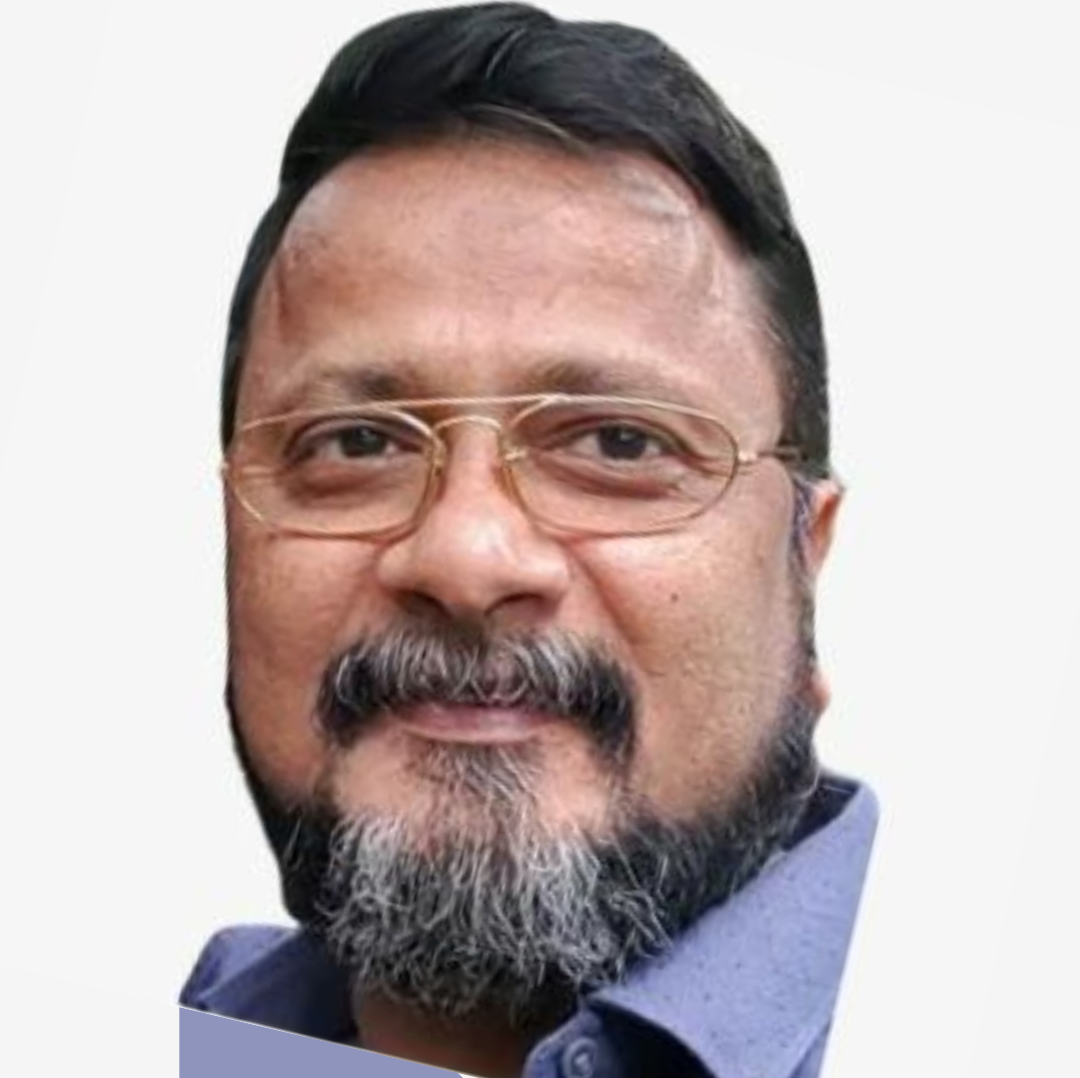
Rajesh Menon is a digital marketing trainer and strategist based in Bangalore, with over 15 years of experience in SEO, paid advertising, and digital growth planning. As the Founder and CEO of Digital Market Academy, he combines hands-on execution with long-term strategy, and is known for turning complex marketing ideas into skills his students can actually apply.
At the academy’s Kasturinagar centre, he leads classroom training programmes and digital marketing bootcamps, and mentors undergraduate and postgraduate students through on-campus sessions. He also delivers corporate and government digital marketing training, including digital skilling programmes for central government organisations such as India Post, along with digital enablement workshops for MSMEs and startups, a client list that continues to grow.
He writes regularly on the Digital Market Academy blog, breaking down real strategies, tools, and case studies for learners and business owners across India.