
Updated August 2026.
Zero-click search is when someone searches and gets their answer without clicking any result, because the answer is shown right on the search page. AI Overviews, featured snippets, knowledge panels and quick answers all do this. It worries marketers, because if people do not click, how do you get traffic? The honest answer is that clicks are fewer for some searches, but visibility still matters, and there is a smart way to respond. This guide explains what is happening and what to do.
It connects to our answer engine optimization guide and our AI Overviews guide. This shift is covered across our course syllabus.
TL;DR
- Zero-click search is when a search is answered on the results page, so no result gets clicked.
- AI Overviews, featured snippets and knowledge panels drive it, and it is growing.
- It reduces clicks for simple, factual queries, but visibility and brand exposure still count.
- Respond by being the source of the answer, targeting queries that still drive clicks, and building brand.
- Do not panic; adapt your strategy to how people actually search now.
What is zero-click search?
Zero-click search is when a search is answered right there on the results page, so the person does not click through to any website. Google shows the answer through features like AI Overviews, featured snippets, knowledge panels and quick facts, and the searcher is satisfied without leaving. For a query like a quick definition, a currency conversion or a simple fact, the answer often appears instantly, and there is no need to click. A growing share of searches now end this way.
Why is zero-click search growing?
It is growing because search is designed to answer faster, and AI has accelerated that. AI Overviews summarise answers at the very top of many searches, and featured snippets have done a lighter version for years. People also increasingly ask AI chatbots directly, which are zero-click by nature. The result is that for simple, factual questions, the answer comes to the searcher rather than the searcher going to a website. This is a real shift in how information is found.
What does it mean for your traffic?
Honestly, it means fewer clicks for some queries, and it is worth being clear-eyed about that. Simple, factual searches that used to send a trickle of traffic may now be answered on the page. But not all searches are like that: anything where people need depth, guidance, comparison or to take an action still drives clicks. So zero-click erodes the low-value, quick-answer traffic more than the valuable, intent-rich traffic. The task is to shift your focus toward the searches that still matter.
How to respond to zero-click search
There is a clear, non-panicky way to adapt:
- Be the source of the answer. If the answer is shown on the page, be the cited source, so your brand still gets seen. The same answer-first work that wins snippets and AI Overviews does this.
- Target click-worthy queries. Focus on guides, comparisons, how-tos and commercial searches, where a quick answer is not enough and people click for more.
- Build your brand. A known brand gets clicked and searched by name, reducing reliance on generic clicks.
- Use channels you own. Email, WhatsApp and a loyal audience are not subject to zero-click at all.
The bigger picture
Zero-click search is part of the wider move toward AI answering questions directly, the same shift behind AI Overviews and AEO. Fighting it is pointless; adapting to it is straightforward. Be visible where the answers appear, invest in the deeper content and commercial queries that still bring people to your site, and build a brand and owned audience that do not depend on generic search clicks. Do that, and the change becomes something you work with rather than against.
A Bangalore example
Think about a local bakery in Indiranagar. A search like "what time does the bakery open" might be answered by the Google Business Profile right on the results page, a zero-click result, and that is fine, because the customer still got what they needed and saw the brand. But a search like "best birthday cake shop in Indiranagar" or "how to order a custom cake" is different: the person wants to compare, see photos and decide, so they click. The bakery's job is to keep its quick, factual information accurate everywhere (so it wins the zero-click answers and the brand exposure) while creating genuinely useful pages for the considered searches that still bring clicks and orders.
The same logic applies to a training institute, a clinic or a boutique. Some queries are quick facts you should simply be the source of; others are decisions where people click, compare and convert. Split your effort accordingly, pair it with a strong local SEO presence, and zero-click stops feeling like a threat and starts being just another part of how people find you.
Learn modern search strategy hands-on
This makes sense once you see how answer-first content and brand work together in real search results. At Digital Market Academy in Bangalore you learn modern search strategy, including zero-click and AEO, within the SEO module, in small batches with live projects and founder-led teaching by Rajesh Menon. See the course syllabus, our classroom courses, or the main training page. Google's own guidance is on the official Google Search Central site.
A1. It is when a search is answered directly on the results page, so the person does not click any result. Features like AI Overviews, featured snippets and knowledge panels show the answer there.
A2. Search is designed to answer faster, and AI has accelerated it. AI Overviews summarise answers at the top of many searches, and people increasingly ask AI chatbots directly, which are zero-click by nature.
A3. No. Being the cited source of the on-page answer still gives you visibility and brand exposure, and many queries still drive clicks. SEO adapts to focus on being the source and on click-worthy searches.
A4. Searches where a quick answer is not enough, such as detailed guides, comparisons, how-tos and commercial queries. These still bring people to your site for the fuller content or to take action.
A5. By being the cited source. Even without a click, appearing as the source of the answer puts your brand in front of the searcher, building visibility and recognition.
A6. Be the source of answers, target click-worthy queries like guides and comparisons, build a strong brand that gets clicked and searched by name, and grow owned channels like email and WhatsApp that are not affected by zero-click.
In short
Zero-click search answers more queries on the results page, so some clicks disappear, but visibility does not. Adapt by being the cited source of answers, focusing on the deeper guides, comparisons and commercial queries that still drive clicks, building a brand people seek out, and growing owned channels. It is a shift to work with, not panic over, and the businesses that adapt early, by owning the answers and building a brand people seek out, tend to come out ahead of those still chasing clicks that no longer exist. Want to learn modern search strategy hands-on? Start with the course syllabus at Digital Market Academy, Bangalore.
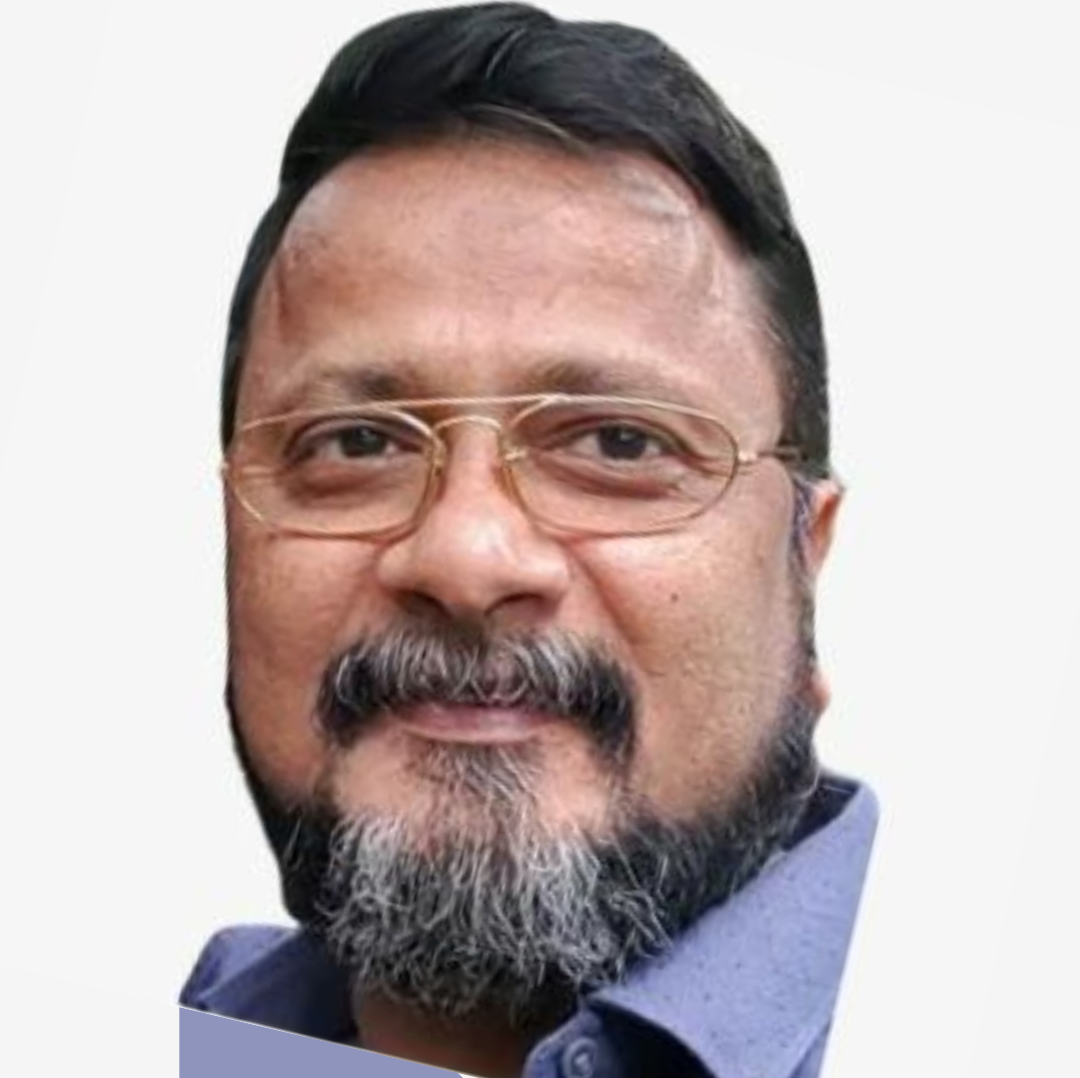
Rajesh Menon is a digital marketing trainer and strategist based in Bangalore, with over 15 years of experience in SEO, paid advertising, and digital growth planning. As the Founder and CEO of Digital Market Academy, he combines hands-on execution with long-term strategy, and is known for turning complex marketing ideas into skills his students can actually apply.
At the academy’s Kasturinagar centre, he leads classroom training programmes and digital marketing bootcamps, and mentors undergraduate and postgraduate students through on-campus sessions. He also delivers corporate and government digital marketing training, including digital skilling programmes for central government organisations such as India Post, along with digital enablement workshops for MSMEs and startups, a client list that continues to grow.
He writes regularly on the Digital Market Academy blog, breaking down real strategies, tools, and case studies for learners and business owners across India.

